You’ll get an energy‑efficient saltwater chlorinator that’s sized for above‑ground pools up to 15,000 gallons, cuts ongoing chemical use, and reduces chlorine taste while keeping stable residuals. The titanium cell and automatic polarity reversal minimize scaling and corrosion, and runtimes from 1–12 hours plus Boost mode handle routine and peak demand. Installation requires matching pump flow, plumbing and electrical specs and placing the cell after the filter for service access. Continue for installation, costs, and maintenance specifics.
Some Key Takeaways
- Suitable for above-ground pools up to 15,000 gallons, offering stable residuals and less frequent manual chlorination.
- Titanium cell with automatic polarity reversal provides consistent electrolysis and self-cleaning to reduce scale buildup.
- Runtime adjustable 1–12 hours with Boost mode for heavy use or recovery after storms.
- Install after the filter in a straight return line, matching pump flow, plumbing, and electrical requirements.
- Lower ongoing chemical costs and milder chlorine taste, with periodic cell inspections every 2–4 weeks.
Quick Verdict : Is This Saltwater Chlorinator Right for a 15,000‑Gal Above‑Ground Pool?
Usually, yes—you can use this saltwater chlorinator for an above‑ground pool up to 15,000 gallons. You’ll get energy-efficient sanitation that lowers ongoing chemical use and cuts the noticeable chlorine taste most users report with traditional dosing. Installation is straightforward; you’ll factor a moderate startup cost for the unit and plumbing, but operating expenses stay low. The system integrates with existing pumps and maintains stable residuals, so you’ll avoid frequent manual dosing and volatile chlorine spikes. For a family pool this size, you’ll gain gentler water, simpler maintenance, and predictable performance without complex tweaks. Many homeowners pair these systems with outdoor pool accessories to make the most of their above-ground pool space.
How the Cell, Self‑Cleaning, and Controls Affect Performance
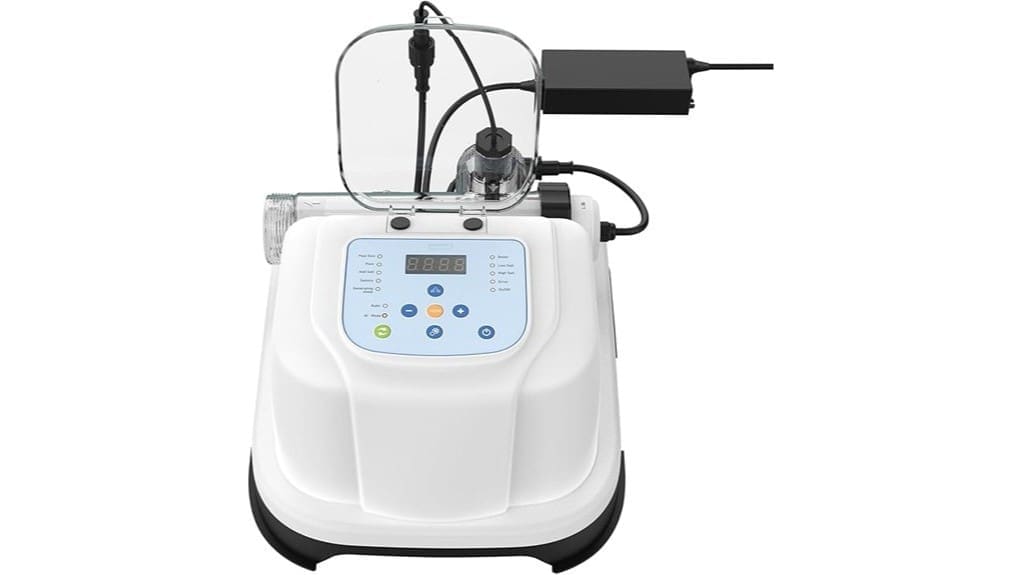
Having covered suitability for a 15,000‑gal above‑ground pool, let’s look at how the cell, self‑cleaning cycle, and controls determine sanitation performance and maintenance needs. You rely on the titanium cell for consistent electrolysis; its corrosion resistance supports titanium longevity under regular salt concentrations. The automatic polarity schedule reverses every 8 hours, actively shedding scale to preserve output and reduce manual cleaning. Controls let you set runtime (1–12 hours) and enable boost mode for demand spikes, so you can match chlorine production to bather load and temperature. Precise LED feedback and seven buttons simplify diagnostics, optimizing uptime and service intervals. Many homeowners also pair systems with UV sanitizers to further reduce chemical use and enhance water clarity.
Installation and Compatibility With Above‑Ground Pool Systems
Getting your saltwater chlorinator set up on an above‑ground pool is straightforward if you match pump flow, plumbing, and electrical requirements; check that your filter pump delivers the recommended flow rate and that the cell mounts in a straight run of return plumbing to avoid turbulence or air pockets. You’ll confirm electrical compatibility with your breaker, voltage, and grounding; hardwiring or GFCI‑protected plug options are typical. Use plumbing adapters to bridge different thread sizes or hose connections and minimize fittings that cause pressure loss. Position the unit after the filter, allow service access, and follow torque and sealant specs to prevent leaks. Many homeowners also pair systems with compatible saltwater systems and proper maintenance routines to protect outdoor equipment and water quality.
Energy Use, Run Times, and Real Operating Costs
While the unit’s energy-efficient design keeps consumption low, actual power use depends on your chosen run time, pump compatibility, and local electricity rates. You’ll set run times between 1–12 hours to match pool size and bather load; longer cycles raise energy draw but improve sanitation efficiency. Calculate operational costs by multiplying pump and cell wattage by hours per day and local kWh rates. Compare weekly and seasonal savings versus liquid chlorine purchase and handling. Factor in lower chemical buys, reduced maintenance, and consistent chlorine generation to estimate real annual cost; document run-time profiles to optimize savings. Consider pairing a heat pump pool heater to extend your outdoor season while maintaining efficient sanitation and energy use.
Maintenance, Common Issues, and When to Use Boost Mode
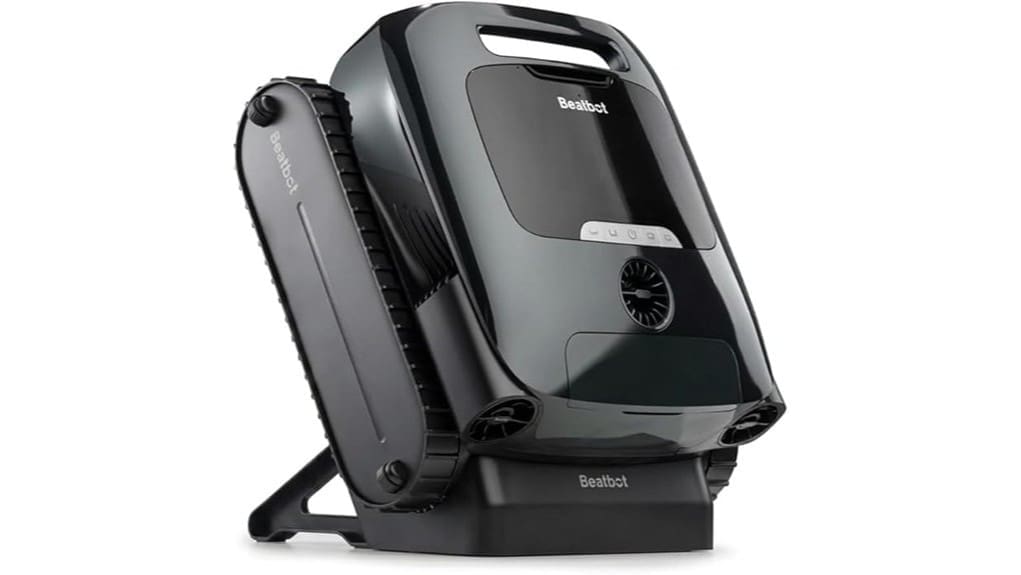
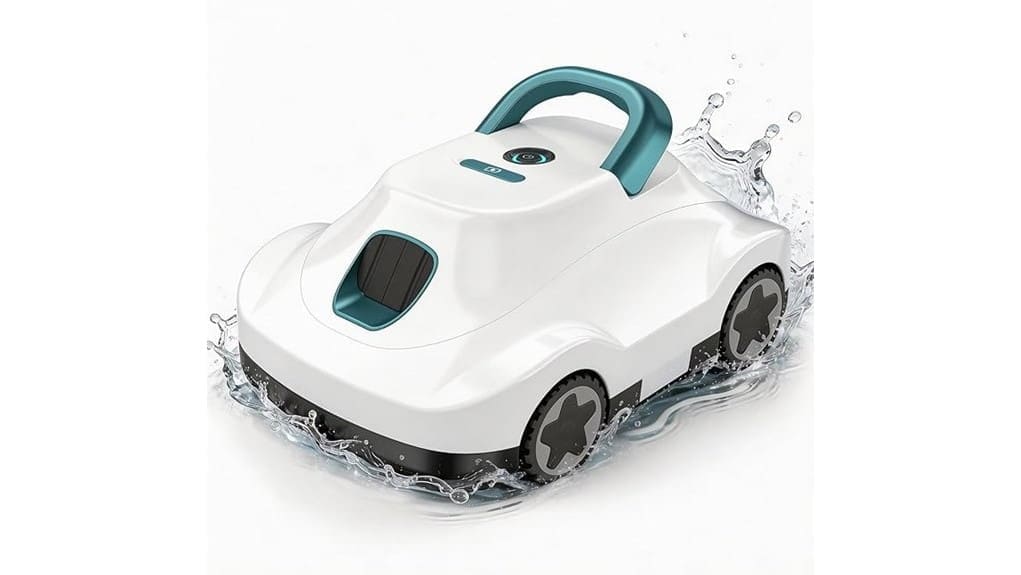
Because regular care keeps the system reliable, you should follow a short maintenance routine: inspect the cell for scale or debris every 2–4 weeks, check the control panel and connections for error indicators, and verify flow and pump compatibility before extended runs. Clean the cell per manufacturer guidelines when scale appears; good filter maintenance reduces strain and extends cell life. Monitor water balance and perform chlorine testing weekly to confirm output. Common issues include low flow, dirty cell, and salt concentration errors—address these before blaming the unit. Use Boost mode for heavy bather load, after storms, or when quick sanitization is required. For homeowners with outdoor pools, consider pairing the chlorinator with robotic vacuums to keep debris levels down and reduce strain on the system.
Some Questions Answered
How Long Is the Unit’s Warranty and What Does It Cover?
The warranty duration is typically one year, covering defects in materials and workmanship. You’ll get coverage details that include repair or replacement of the power unit and cell if they fail under normal use, excluding damage from misuse, improper installation, or corrosion from incorrect water chemistry. Consumables, routine maintenance, and labor costs may not be covered. Keep proof of purchase and follow maintenance guidelines to make certain claims are honored.
Can the Chlorinator Be Used in Indoor, Enclosed Pools?
Yes — you can use the chlorinator in indoor, enclosed pools, but you’ll need proper indoor ventilation and humidity management to control chlorinated byproducts and condensation. Install the unit where circulation is ideal and make certain compatible filter pumps and ventilation systems run during operation. Monitor salt levels and run boost mode sparingly. Follow manufacturer specs for electrical clearances and maintenance to prevent corrosion and maintain safe, comfortable air and water quality.
Does the System Require Special Salt or Brands?
No, you don’t need a specific brand; you use standard pool-grade sea salt at the recommended ppm and avoid table salt. You can optionally install mineral cartridges if you want supplemental mineral sanitation, but they’re not required for the chlorinator to function. Follow manufacturer salt concentration ranges and replace mineral cartridges per schedule if used. Using correct salt type and monitoring salinity guarantees peak cell life, efficiency, and consistent chlorine generation.
What Safety Certifications or Approvals Does the Device Have?
The device is UL listed and NSF certified, ensuring electrical safety and materials suitability for water contact. You’ll find UL listed components for the power and control enclosure, and NSF certified wetted parts that resist corrosion and leach-free operation. You can rely on tested grounding, insulation, and construction standards, plus validated biocompatibility for pool water. Always verify the specific model’s label and documentation for exact certification numbers and scope.
Can the Unit Operate on Variable-Speed Pool Pumps?
Yes — you can run the unit with variable-speed pumps. You’ll benefit from variable flow operation so chlorination matches reduced circulation speeds, but you must confirm pump compatibility and maintain adequate turnover for proper salt cell output. Set run times and Boost mode to compensate during low-flow periods. Monitor flow rates and cell performance; if flow drops below the manufacturer’s minimum, the unit may need a bypass or fixed-speed pump for reliable sanitization.