You’ll find No Mor Problems is a concentrated, patented liquid algaecide that prevents algae and helps clarify pool water when you dose precisely as directed. It’s compatible with chlorine, bromine, common filters, and standard pool surfaces, and a quart’s concentration often outlasts cheaper options in cost-per-treatment. Use the specified initial and weekly maintenance doses, dilute and broadcast with the pump running, and retest after 24 hours — keep going and you’ll learn practical dosing and alternatives.
Some Key Takeaways
- Concentrated, patented liquid algaecide effectively prevents algae and clarifies pool water when dosed per label.
- Compatible with chlorine, bromine, common filters, and standard pool surfaces like plaster, vinyl, and fiberglass.
- Initial dose: 3 oz per 5,000 gallons; maintenance dosing tied to sanitizer levels and weekly reapplication.
- Real-world use shows fewer algae blooms, reduced need for shock treatments, and clearer water within days.
- Consider concentration and long-term cost versus eco-friendly alternatives if environmental impact is a priority.
Quick Verdict: Is No Mor Problems Algaecide Worth Buying?
Curious if No Mor Problems is worth buying? You’ll find it merits consideration: the patented, concentrated formula prevents algae and clarifies water while staying compatible with chlorine, bromine, all surfaces, and filters. In a cautious, evidence-based cost comparison, its quart concentration often outlasts cheaper, weaker options, reducing long-term spend if you dose per guidelines. User testimonials report consistent prevention when used as directed, though results vary by pool conditions. You’ll want to follow initial and maintenance dosing precisely. If belonging to a pool-care routine matters, this product fits reliably, provided you apply it responsibly and monitor results. It’s a good match for homeowners who enjoy maintaining their outdoor spaces and want a dependable algaecide.
What’s in the Bottle: Key Features, Formulation, and Compatibility
Having established that No Mor Problems can fit into a routine, let’s look inside the bottle to see what gives it that performance. You’ll find a concentrated liquid formulation based on targeted algaecide chemistry designed for routine prevention and maintenance. The patented blend aims to inhibit algae while minimizing impact on water balance; label directions specify initial and maintenance dosages to keep concentrations effective. Compatibility is explicit: it’s formulated to work with chlorine, bromine, and all common filter types. You can expect clear guidance on application and reassurance about surface compatibility across standard pool finishes, supporting confident shared use. It’s intended for homeowners who enjoy their outdoor spaces and complements other pool care products like phosphate removers.
Real-World Performance: Preventing Algae, Clarifying Water, and Surface Safety
Regularly using No Mor Problems delivers predictable results: it prevents visible algae blooms when dosed per label, helps clarify water by reducing suspended organic films, and poses minimal risk to plaster, vinyl, and fiberglass surfaces when applied as directed. You’ll notice reduced spot growth and fewer shock treatments, indicating low algae resistance in typical pools. Observe clarity enhancement within days as particulates settle or filter out. Surface interaction appears neutral; residues rinse off without staining when you follow guidance. For longterm safety, track recurring use and pool chemistry; community-tested routines suggest reliable prevention while maintaining shared confidence in water quality. This product is suited for homeowners who enjoy maintaining their outdoor spaces and complements other pool shock treatments for optimal results.
How to Use It: Initial and Maintenance Dosage, Mixing, and Best Practices
When you’re preparing to use No Mor Problems, follow the label doses precisely: start with 3 ounces per 5,000 gallons for an initial treatment, then switch to maintenance dosing of 5–6 ounces per each 2 tablets/pounds or per gallon-equivalent of chlorine or bromine in your system. For pool startup, measure volume accurately, add product to a bucket of pool water, then broadcast around the perimeter with the pump running. Follow the dosing schedule weekly or after heavy bather load, storms, or backwashing. Store safely, wear gloves if sensitive, and retest water chemistry after 24 hours to confirm effectiveness and community-safe use. Homeowners who enjoy their outdoor spaces should also consider using pool clarifiers alongside algaecide to maintain consistently clear water.
Who Should Buy It and Alternatives to Consider
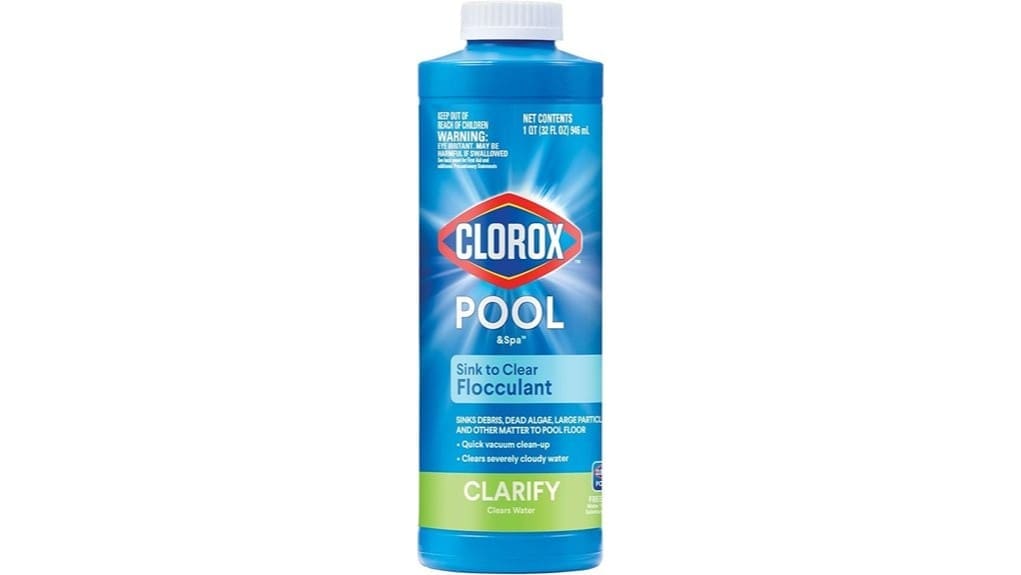
Consider No Mor Problems if you manage a residential or small commercial pool and want a concentrated, easy-to-dose algaecide that’s compatible with chlorine or bromine and safe on all common surfaces and filters. You should buy it if you value predictable dosing (3 oz/5,000 gal initial; maintenance per tabs), routine prevention, and minimal impact on water balance. If you prioritize eco-friendly options, explore certified green alternatives and weigh performance differences. Do a cost comparison including product concentration, application frequency, and treatment outcomes. Choose based on pool size, maintenance habits, and community standards to fit your shared responsibilities. Many homeowners who enjoy their outdoor spaces also use complementary products like flocculants to keep water clearer, so consider adding pool flocculants to your maintenance routine.
Some Questions Answered
Is This Algaecide Safe for Pets if They Drink Pool Water?
You shouldn’t assume it’s safe for pets to drink treated pool water; pet safety depends on concentration and exposure, and ingestion effects can include stomach upset or worse if large amounts are consumed. You’ll want to keep pets from drinking after treatment, follow label dosages exactly, and rinse a pet’s mouth and call your vet or poison control if they ingest significant amounts. You’ll also prefer preventative measures to reduce risk.
Does It Have a Noticeable Odor When Added to the Pool?
You typically won’t notice a strong scent or persistent chemical smell when you add it at the recommended dose; any brief odor is mild and dissipates quickly. You should still add it with good ventilation and avoid breathing concentrated splashes. Because you’re part of a community that values safety, monitor for any unusual smells or irritation and follow dosage instructions precisely—if you detect a strong chemical smell that lingers, stop use and consult the label or manufacturer.
Can It Be Used in Hot Tubs or Spas?
Yes — you can use it in hot tubs and spas when you follow label directions and adjust dosage for smaller volumes. You’ll preserve hot tubcare compatibility by using proportionally less concentrate and by confirming compatibility with your spa filtration and sanitizer (chlorine or bromine). Stay cautious: avoid overdosing, circulate water while adding, and retest sanitizer levels before use. You’ll keep your spa safe and welcome others to enjoy balanced, clear water.
Is It Biodegradable or Environmentally Friendly?
No, it’s not clearly biodegradable; available data don’t report specific biodegradation rates, so you can’t assume low environmental impact. You should treat the product cautiously, avoid runoff to waterways, and follow label disposal instructions. If environmental safety is a priority for your group, consider requesting manufacturer test data on biodegradation rates and ecotoxicity or choosing a product with documented low environmental impact to guarantee shared confidence and safety.
Does It Stain Swimwear or Pool Liners?
No, it shouldn’t cause swimsuit fading or liner discoloration when used as directed. You’ll avoid staining by following recommended doses and rinsing off splashes promptly. Evidence suggests concentrated algaecides like this are formulated to be safe for pool surfaces and fabrics at proper concentrations, but you should test a small hidden area if concerned. You’ll belong to a cautious group that protects pool materials while preventing algae.