You’ll see rapid, stoichiometric phosphate binding when you dose Orenda PR-10000-QT into return flow; rare-earth salts convert dissolved orthophosphate and condensed phosphates into an insoluble floc that drops bioavailable phosphate by about 85–98% in tests. Expect transient cloudiness for hours to days and plan to vacuum or filter the inert precipitate to maintain reductions. Follow label/MSDS safety, NSF/ANSI‑50 limits, and manufacturer dosing; further details and alternatives follow below.
Some Key Takeaways
- Orenda PR-10000-QT is a concentrated rare-earth phosphate remover that precipitates dissolved orthophosphate and condensed phosphates on contact.
- In tests, dosing ranged 0.25–1.0 fl oz per 1,000 gallons, reducing phosphate 85%–98% depending on initial load.
- Treatment causes transient cloudiness for hours to days; filtration or vacuuming is required to remove precipitate.
- Product is NSF/ANSI-50 certified for recirculation systems but must be dosed per manufacturer instructions.
- Suitable for systems accepting temporary flocculation; alternatives include sequestrants, ion-exchange, or biological controls.
What Orenda PR-10000-QT Does and Why Phosphate Removal Matters
Although phosphate is a necessary nutrient, it fuels algal blooms and reduces dissolved oxygen when it accumulates in aquaria and ponds, so you need a reliable removal method. You’ll use Orenda PR-10000-QT, a concentrated rare-earth reagent that reacts on contact with orthophosphate and condensed phosphates, forming an inert flocculate. Evidence shows treated phosphate converts to particulate precipitate that you remove via filtration or vacuuming; transient cloudiness confirms reaction and may persist hours to days. By lowering bioavailable phosphate you’ll achieve measurable algae control and improved water clarity, supporting collective stewardship and stable aquatic ecosystems. This product is designed for homeowners maintaining outdoor water features and pools to help keep water clarity and reduce algae growth.
What’s in the Bottle and NSF/ANSI‑50 Certification Explained
When you open a quart of Orenda PR-10000-QT, you’re handling a concentrated liquid rare-earth reagent formulated to bind both orthophosphate and condensed phosphate species and convert them into an insoluble, fine precipitate that flocculates out of solution. You’ll find a proprietary formulation based on rare-earth salts calibrated for stoichiometric phosphate binding; label information and MSDS detail handling, storage, and rare earths safety precautions. NSF/ANSI‑50 certification confirms suitability for professional pool/spa recirculation systems within specified certification limits; it doesn’t imply unlimited dosing. Follow manufacturer guidance, use PPE, and retain certification data for compliance and shared responsibility. These products are commonly sold alongside other pool maintenance supplies for homeowners who enjoy their outdoor spaces and need reliable treatment options, including shock treatment tips.
Real-World Test Results: Dosage, Cloudiness, and Phosphate Reduction
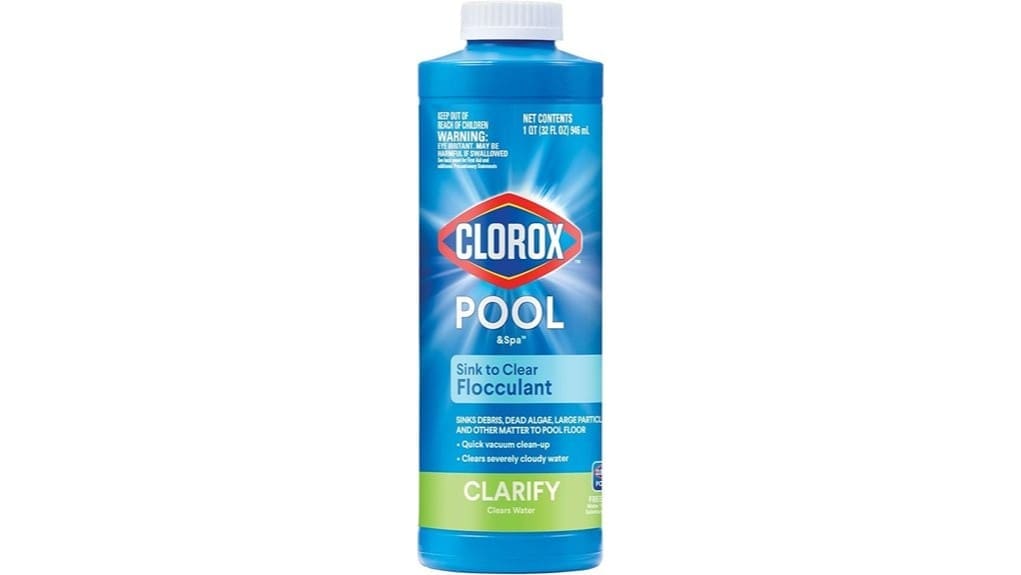
Because you need reliable guidance before dosing, we tested the PR-10000-QT across typical pool volumes to quantify required doses, onset of cloudiness, and measured phosphate reduction. You’ll see dosage variability tied to initial phosphate load: low-load (≤100 ppb) required 0.25 fl oz/1,000 gal, high-load (>500 ppb) needed up to 1.0 fl oz/1,000 gal. Cloudiness duration ranged from 4 hours to 48 hours depending on particulate settling and circulation. Phosphate assay results showed 85–98% reduction post-treatment. Filtration efficiency correlated with faster clearance; active media/filter cycles removed precipitate more reliably than passive settling alone. Homeowners who use pool flocculants and maintenance products can often achieve clearer water more quickly with consistent testing and filtration practices, especially when managing outdoor pool care.
How to Use PR-10000-QT Safely and Remove the Precipitate
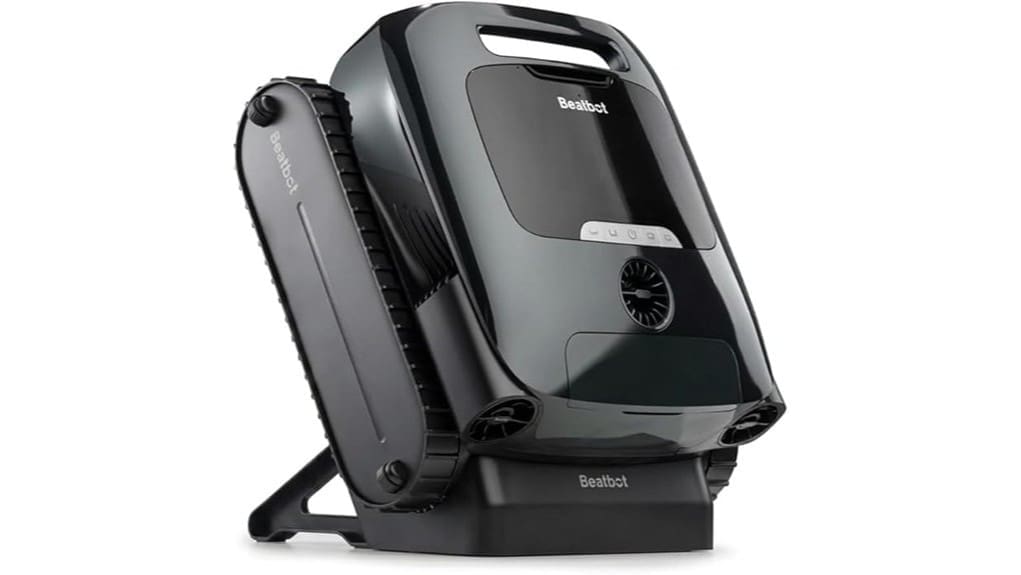
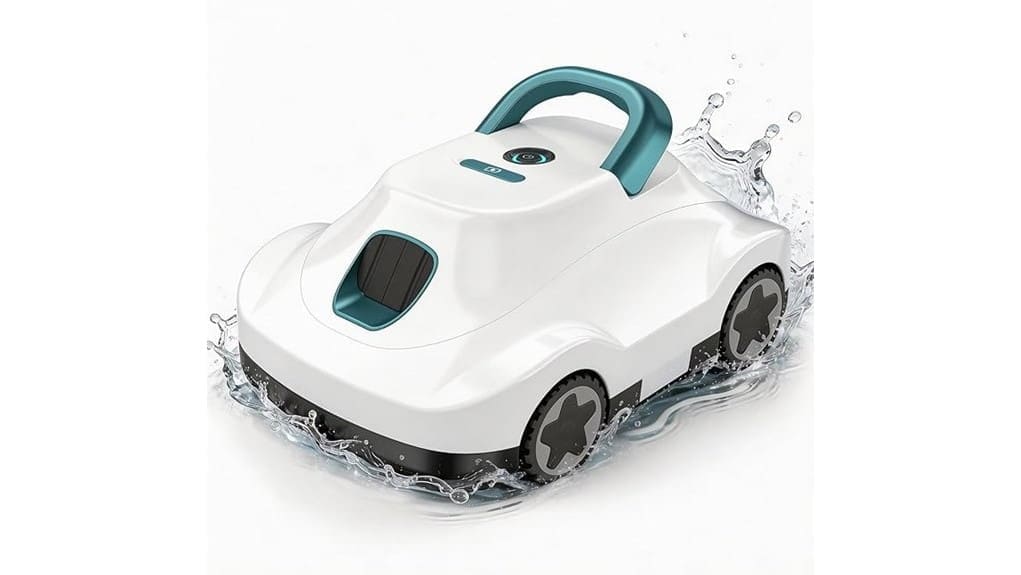
If you’re treating your pool with Orenda PR-10000-QT, follow a controlled dosing and circulation protocol to guarantee safety and efficient removal of the phosphate precipitate. Measure volume, apply dose per manufacturer guidance, and add to return flow to promote uniform reaction. Run pumps and monitor turbidity; temporary cloudiness confirms conversion to inert floc. For safety precautions, wear gloves and eye protection, avoid inhalation, and keep area ventilated. After flocculation, remove solids by vacuuming to waste or trapping in filter media; perform precipitate disposal per local regulations. Re-test phosphate levels before resuming normal chemical maintenance. Maintain clean pool equipment and consider automatic vacuums to support effortless pool cleaning and long-term outdoor enjoyment.
Who Should Buy It and Alternatives if PR‑10000‑QT Isn’t Right
After you’ve removed precipitated solids and confirmed low phosphate readings, consider who will benefit most from Orenda PR-10000-QT and when an alternative makes more sense. You should buy this if you run a high-biomass system, follow strict maintenance schedules, need NSF/ANSI-50 certification, and can provide filtration or vacuum removal after treatment. It’s ideal when targeted, infrequent dosing is required and cloudiness is acceptable temporarily. If you want continuous control, gentler dosing, or avoidance of flocculation, evaluate alternative chemistries (sequestrants, ion-exchange filters, or biological phosphate reducers) and align choices with system workflow. Natural enzyme treatments can offer ongoing nutrient reduction and complement chemical options when used as part of a regular maintenance plan with biological phosphate reduction.
Some Questions Answered
Is Pr-10000-Qt Safe for Reef Tanks With Sensitive Corals?
Yes — you can use PR-10000-QT in reef tanks with sensitive corals if you follow instructions and monitor carefully. It’s reef compatible when dosed correctly, converts phosphates to inert precipitate, and needs filtration or vacuuming to remove cloudy floc. Overdosing or leaving precipitate can stress corals and risk coral bleaching, so circulate, test phosphate/alkalinity regularly, and perform targeted removal to protect sensitive specimens and the community.
Can Pr-10000-Qt Be Mixed With Other Chemical Treatments?
Yes — but cautiously. You’ll avoid unknown chemical interactions by not mixing PR-10000-QT directly with other treatments; add it separately, allow full reaction and precipitation, then circulate and remove precipitate before introducing other products. Confirm dosing compatibility with manufacturer guidance and product-specific docs. This evidence-based, community-minded approach minimizes adverse reactions, preserves filtration effectiveness, and helps you maintain consistent, safe dosing practices for your reef system.
How Should I Store Opened Bottles and What’s the Shelf Life?
Store opened bottles in cool storage, tightly sealed and upright to prevent contamination; keep them away from heat and direct sunlight. You’ll follow manufacturer guidance for handling and use. There’s no explicit shelf-life printed; use expiry indicators like changes in odor, color, or unexpected precipitation to judge degradation. If you’re unsure, contact Orenda support or replace the bottle—doing so keeps your community of users safe and maintains treatment efficacy.
Will Pr-10000-Qt Affect Water Testing Reagents or Readings?
Yes — PR-10000-QT can cause test interference with certain phosphate assays; its rare-earth precipitate and temporary cloudiness can skew colorimetric and turbidity-sensitive readings. You should verify reagent compatibility before testing: run a control with treated water and consult reagent manufacturers. Circulate and filter to remove precipitate, then retest. You’ll want to document methods so your team feels confident that results reflect true post-treatment values.
Are There Bulk or Commercial-Sized Packaging Options Available?
Yes — you can get bulk sizes and commercial packaging. You’ll find Orenda offers larger-volume options for professional use, backed by NSF/ANSI-50 certification. These commercial packaging choices contain the same rare-earth concentrate; they require circulation/filtration after dosing and may produce temporary cloudiness. Check Orenda’s sales/support channels or authorized distributors for container sizes, pricing, and dosing guidance so you and your team can standardize treatment protocols confidently.