You’ll get reliable, low‑maintenance filtration with a 50 lb bag of graded angular silica sand if you match the grain size to your filter. Pure silica and angular grains resist breakdown, create tortuous paths that trap fine particles, and reduce fines generation, so clarity improves and backwashing drops. One bag won’t fill most tanks but’s ideal for topping off or smaller units. Expect lower lifecycle costs and easier upkeep — keep going to see sizing, performance and installation tips.
Some Key Takeaways
- Pure, angular silica sand reliably improves clarity and traps fine particles better than generic rounded sands.
- One 50 lb bag typically won’t fill a residential filter; use it for topping off or small/portable units.
- Angular grains interlock to reduce fines generation, extend media life, and stabilize hydraulic performance.
- Expect reduced backwashing frequency and water savings, though heavy seasonal loads may require extra cleaning.
- Match grain size and purity to manufacturer specs; rinse before loading and level the tank bed for best results.
Quick Verdict : Is Pool Filter Sand 50 Lbs Right for Your Pool?
If you want reliable, low-maintenance filtration that produces clear, sparkling water, Pool Filter Sand 50 lbs is a solid choice. You’ll get consistent trapping of debris, stable flow across common water temperature ranges, and reduced backwashing frequency. Installation tips: rinse before loading, level the tank bed, and match grain size to your filter’s specs. It’s compatible with major filter brands and suits both residential and commercial setups, so you’ll fit into a community of pragmatic pool owners. You’ll appreciate straightforward performance, predictable maintenance intervals, and conserved water without sacrificing clarity or operational confidence. Choose a graded silica sand with the correct grain size for your filter to ensure optimal performance and longevity.
How Pure Silica Composition and Angular Grains Affect Filtration
Understand how the pure silica composition and angular grain shape work together to improve filtration: the high-density, chemically inert silica provides a stable medium that resists breakdown and chemical interaction, while the angular grains interlock to create a tortuous path that traps fine particles more effectively than rounded sand. You’ll value silica purity because it guarantees consistent grain strength, predictable hydraulic performance, and minimal fines generation. Angular efficiency boosts mechanical capture and bed stability, so you maintain uniform head loss and controlled flow. You’ll find this combination reduces media degradation, supports longer service intervals, and fits common residential and commercial filter systems. Many homeowners choose this media for its compatibility with pool filter cartridges.
Performance in the Real World : Clarity, Dirt Trapping, and Backwash Frequency
Typically, you’ll notice noticeably clearer water within a few days of switching to this pure silica, angular-grain sand because the media traps fine particulates more effectively than rounded alternatives. You’ll run clarity tests to quantify improvement: turbidity drops, visual range increases, and skimmed debris decreases. Dirt trapping remains consistent because angular grains present more contact points, reducing breakthrough. Backwash frequency falls; you’ll schedule fewer cycles and save water without sacrificing flow. Monitor seasonal performance—spring pollen and fall leaves raise load, requiring temporary increased backwashing. You belong to a community that values measured results and predictable, efficient pool maintenance. Many homeowners also choose complementary filter powder products to optimize filtration performance.
Compatibility and Sizing : Using a 50 Lb Bag With Common Sand Filters
Although a single 50 lb bag won’t fill most residential or commercial sand filters on its own, you can use it to top off, replace the top few inches, or rebuild smaller portable units. You’ll check Filter compatibility by matching grain size and angularity to manufacturer specs; this silica formula suits major brands and both in-ground and above-ground systems. Calculate Tank capacity (cubic feet or pounds) from filter diameter and depth, then determine how many 50 lb bags you need. For maintenance, use one bag to refresh the upper media layer, maintain flow, and preserve consistent filtration performance across your pool community. Upgrade your filtration setup with easy filter kit options designed for homeowners who enjoy their outdoor spaces.
Cost, Maintenance Savings, and Final Buying Recommendation
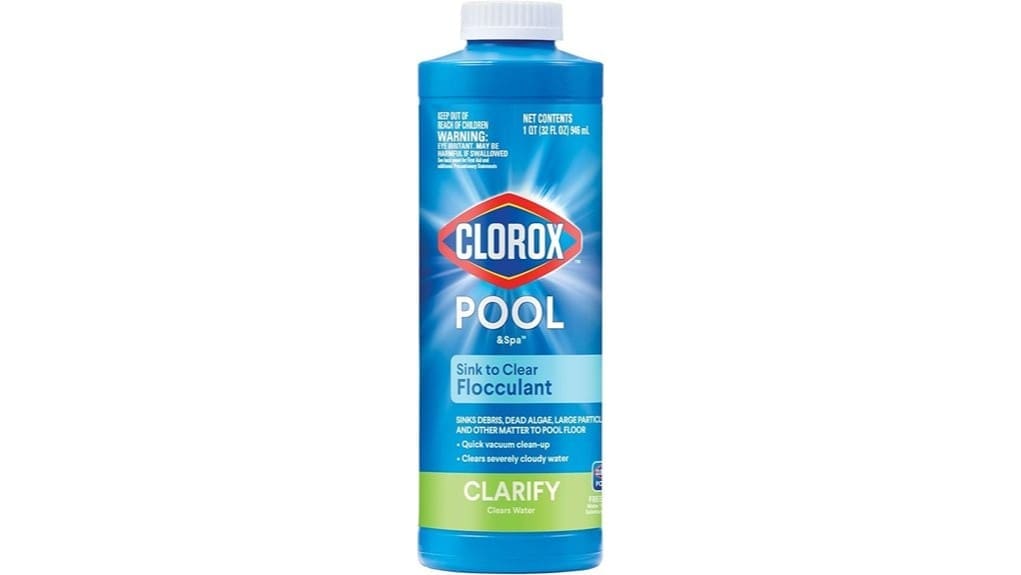
When you factor in the upfront price of a 50 lb bag and its longer-lasting, angular silica grains, you’ll likely see lower lifecycle costs versus generic pool sand: fewer bags per season, reduced backwashing frequency, and improved flow translate to measurable water and energy savings for residential and commercial systems. You’ll realize clear cost savings through reduced maintenance frequency and lower water bills. Choose this silica sand if you want predictable filtration performance, compatibility with major filters, and simpler logistics. For community-minded pool owners and pros, the recommendation is practical: invest in the premium 50 lb silica sand for reliable, efficient, long-term value. Homeowners who follow basic pool care tips can maintain these benefits more easily by using pool flocculants as part of their seasonal maintenance.
Some Questions Answered
Is This Sand Safe for Use in Hot Tubs or Spas?
Yes — you can use this sand in hot tubs or spas, provided you monitor water chemistry and temperature tolerance. You’ll appreciate the pure silica, angular grains and consistent filtration that handle warmer, smaller-volume systems. Stay vigilant about pH, sanitizer levels and periodic backwashing to prevent clogging; higher temps speed chemical reactions and may require more frequent maintenance. You’ll feel confident knowing it’s made for reliable, efficient filtration across settings.
How Long Is the Shelf Life of an Unopened Bag?
An unopened bag has an indefinite usable life if stored properly; you won’t see material degradation under recommended storage conditions. Keep bags dry, off the ground, sealed against moisture and contamination, and away from UV and extreme temperatures. While formal expiry testing isn’t typical for inert silica sand, you can request batch test results to confirm purity. Store correctly, and you’ll confidently maintain performance and join others who trust long-term storage.
Can It Be Used for Pool DE Grids or Cartridge Filters?
No, you shouldn’t use this sand in DE grids or cartridge filters. It’s engineered for DE rated filtration replacement in sand systems only and won’t mate properly with Cartridge compatibility needs. You’ll get poor fit, reduced surface area, and compromised filtration efficiency if you force it into cartridges or DE grids. Stick with manufacturer-recommended media for those systems to maintain performance, longevity, and the community trust among pool professionals.
Is the Sand Free From Silica Dust Hazards During Handling?
No — you should assume the sand can generate respirable silica dust and take respiratory precautions when handling. Use wetting and slow pouring handling techniques to suppress dust, wear an N95 or P100 respirator, gloves, and eye protection, and work downwind or outdoors. Clean up with damp methods or a HEPA vacuum. Follow local silica safety guidelines and share these practices so everyone handling the product feels protected and included.
Are There Recyclable or Eco-Friendly Disposal Options?
Yes — you can reuse or recycle filter sand responsibly. You’ll reclaim sand for landscaping or concrete aggregate when it’s clean, and some facilities accept reclaimed sand for industrial reuse. You should check local recycling centers and pool shops. Choose products with biodegradable packaging to reduce waste. You’ll join others conserving water and materials by following local disposal rules, testing sand quality, and documenting reuse to guarantee safe, compliant repurposing.