You’ll find CPDI Champion Pool Shock 12.5% is a ready-to-use sodium hypochlorite liquid that gives fast, predictable oxidation for residential pools and small commercial systems. It’s NSF/ANSI 60 certified, non-staining, and works well for routine clarification or emergency boosts, but it’s unstabilized so you’ll need to monitor free chlorine and protect it from sunlight. Handle and store it carefully, wear proper PPE, and follow dosing instructions; keep going for more details on use, safety, and comparisons.
Some Key Takeaways
- Ready-to-use 12.5% sodium hypochlorite liquid offers fast oxidation for routine clarification and emergency chlorine boosts.
- NSF/ANSI 60 certification confirms suitability for potable-water safety and predictable sanitation performance.
- Unstabilized formula requires monitoring free chlorine due to faster decay from sunlight and organics.
- Non-staining, non-scaling chemistry is convenient, but liquid handling needs secure storage and PPE.
- Four 1-gallon jug pack balances convenience and shelf rotation, though bulk liquid is bulkier than tablets.
What CPDI Champion Pool Shock 12.5% Is and Who It’s For
Wondering whether this is the right shock for your pool? You’ll find CPDI Champion Pool Shock is a ready-to-use 12.5% liquid chlorinator designed for reliable, fast sanitation. You’ll use it for routine clarification and emergency boosts, pouring directly or feeding via a metering pump. It suits residential pools and small businesses—lifeguards, property managers, or owners who want consistent results and shared responsibility. You’ll appreciate its non-staining, non-scaling formula and NSF/ANSI 60 certification when safety matters. You should still follow label instructions, storage guidance, and dosing protocols to protect swimmers and maintain trust among your community. Many homeowners also use shock treatments as part of a regular maintenance routine to keep pools sparkling.
How 12.5% Sodium Hypochlorite Performs in Real Use
Having covered who benefits from CPDI Champion Pool Shock, let’s look at how a 12.5% sodium hypochlorite solution performs in daily and emergency pool care. You’ll notice fast oxidation of contaminants—organic load, algae beginnings, and introduced bacteria—so water clears quickly after dosing. In routine use it maintains free chlorine without staining or scaling, supporting reliable swim-ready conditions. Be aware residual decay occurs as chlorine reacts and sunlight or organics lower levels; you’ll need consistent monitoring to sustain target ppm. This concentration balances strong sanitation with manageable handling, letting you protect your community pool with predictable results. Homeowners who enjoy outdoor pool spaces often prefer chlorine tablets for steady dosing and convenience, especially when maintaining consistent chlorine levels.
How to Use CPDI Champion Pool Shock Safely and Effectively
Start by wearing appropriate PPE—chemical-resistant gloves and eye protection—and make certain the pool area is well ventilated before handling CPDI Champion Pool Shock. You’ll follow measured dosing techniques: test water, calculate required volume for your pool size, and add liquid near return jets while pump runs. Practice pool safety by keeping people and pets away during treatment and posting a notice until chlorine stabilizes. For chlorine storage, seal jugs upright in a cool, ventilated area away from acids and direct sunlight. Know spill response: contain, dilute with water, and follow label and local disposal rules; get help for large spills. Keep a stocked first aid kit nearby in case of accidental exposure or injury.
Pros, Cons, and How It Compares to Other Pool Shocks
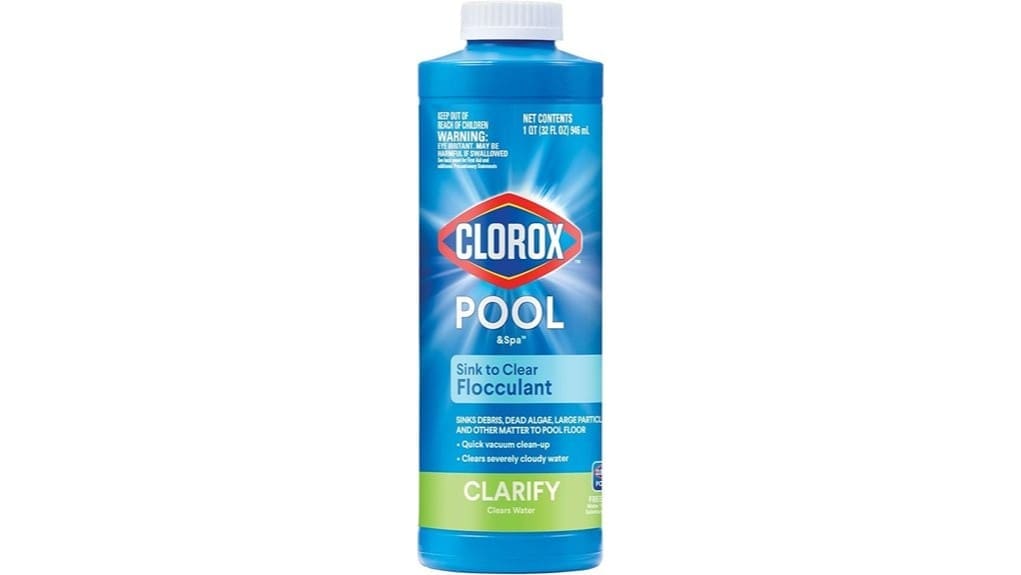
After you’ve handled dosing and storage safely, weigh the trade-offs before you choose CPDI Champion Pool Shock for regular use. You’ll get reliable, NSF/ANSI 60–certified 12.5% sodium hypochlorite that’s ready-to-use, non-staining, and effective for routine chlorination or pump feeding. On the downside, liquid handling demands secure storage and may feel bulky compared with tablets. Compared to stabilized granular shocks, it acts faster but lacks cyanuric acid stabilization, so you’ll monitor shock frequency and free chlorine more closely. If you’re exploring chlorine alternatives, this product fits teams wanting predictable, commercial-grade sanitation while staying connected to shared pool-care practices. Homeowners often pair shocks with clarifiers to maintain clear pool water and improve overall water quality.
Value, Packaging, Certifications, and Buyer’s Final Verdict
While the unit price can look higher than single-use shocks, the four-gallon pack delivers clear value if you need regular, commercial-grade dosing—you’re buying ready-to-use 12.5% sodium hypochlorite certified to NSF/ANSI 60, which reduces handling time and dosing errors compared with concentrated bulk or dry products. The packaging is sturdy, labeled for safe storage and pump feeding; four 1-gallon jugs balance convenience and shelf rotation. In a price comparison, bulk concentrates may cost less per ounce but add labor and dilution risk. Certifications reassure reliability; consider eco impact from frequent disposal. Final verdict: practical, reliable, community-minded choice. Homeowners should follow safe storage practices for pool chemicals to protect people and property.
Some Questions Answered
Is This Product Safe for Saltwater Pools With Chlorine Generators?
Yes — you can use it, but cautiously. You’ll find the 12.5% sodium hypochlorite works with chlorine generator compatibility, but frequent high-strength dosing can accelerate saltwater corrosion on equipment and cell plates. You should monitor free chlorine and alkalinity, avoid overfeeding the generator, and follow manufacturer guidance. Join other pool owners by testing regularly and using corrosion-resistant hardware to keep your saltwater system reliable and long-lasting.
Can CPDI Champion Pool Shock Be Used in Hot Tubs or Spas?
You can use it cautiously in hot tubs, but you shouldn’t routinely treat spas with a 12.5% pool shock. You’ll want to adjust doses for smaller volumes, check jets compatibility, and avoid damaging spa components. Monitor chlorine levels closely and be mindful of spa filtration effects on sanitizer contact time. If you’re unsure, consult your spa manufacturer or a pool pro so you and your community can feel confident and safe in the water.
What Is the Shelf Life Once a Jug Is Opened?
You should use an opened jug within about 3 months for best potency and to limit unopened stability loss; after that chlorine strength declines and you risk reduced effectiveness and potential microbial regrowth in treated water. Store jugs tightly capped, cool, dark, upright. If you’re unsure, test free chlorine before use and rotate stock so everyone in your pool care community trusts water safety. Dispose of very weak or contaminated product responsibly.
Are There Compatible Materials to Avoid (Metals/Plastics)?
Yes — you should avoid certain materials. You’ll notice stainless sensitivity with prolonged contact, especially with lower-grade stainless steels; rinse and inspect fittings regularly. You’ll also watch for plastic softening on some PVCs, polyethylene, and rubber seals if exposed to high concentrations or long contact; use chemical-resistant plastics (HDPE, CPVC) and compatible elastomers like Viton. You’re encouraged to follow safety data and swap parts to protect your community’s equipment.
Does This Product Require Special Disposal or Recycling Procedures?
Yes — you’ll need to follow hazardous disposal guidance: treat unused liquid as hazardous and follow municipal guidelines for chemical disposal. Don’t pour large volumes down drains; dilute small routine amounts per local regulations. Rinse empty jugs and use approved container recycling where accepted, but confirm with your waste authority. Stay cautious, keep community safety in mind, and contact local hazardous waste or recycling centers for specific pickup or drop-off instructions.