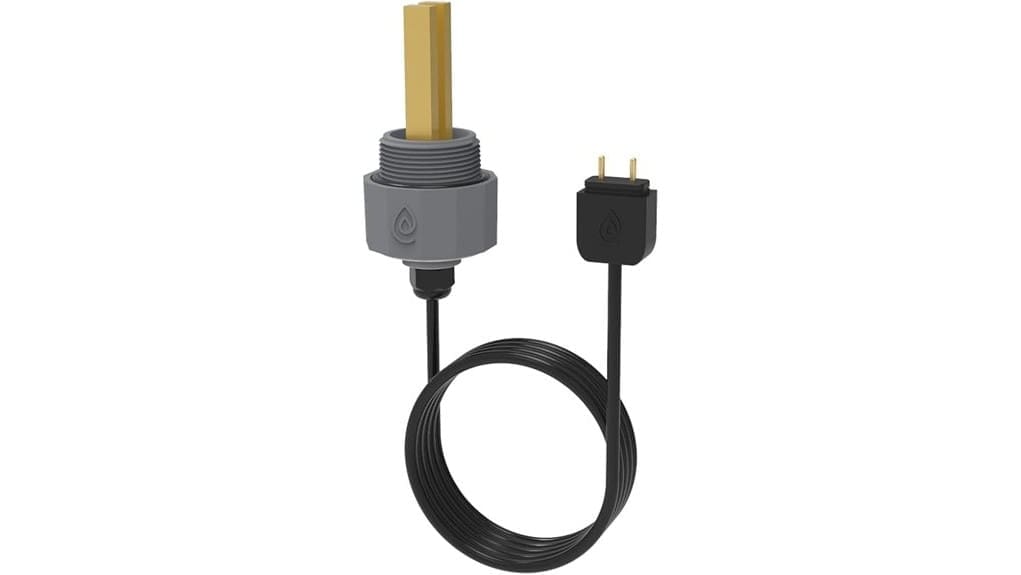
You’ll find the CBI‑Cell‑BSL is a genuine replacement for Mineral Lion/ClearBlue systems with a BLACK receptacle (UPC 195893081394); it’s not compatible with BLUE or PINK ports. The proprietary copper/zinc blend is engineered for up to six months’ service under recommended pH, alkalinity and TDS, and it’s passed electrical‑in‑water and isolation checks. Swap it tool‑free, verify fit and seals, monitor controller indicators and water chemistry, and continue for full installation, maintenance and warranty details.
Some Key Takeaways
- Genuine CBI-CELL-BHL-BOX (CBI-Cell-BSL) replaces Mineral Lion/ClearBlue Ionizer systems with a BLACK receptacle; confirm via UPC 195893081394.
- Proprietary copper/zinc blend provides mineral sanitization and typically lasts up to six months under recommended settings.
- Performance depends on pH, alkalinity, TDS and controller output; maintain pH 7.2–7.6 and alkalinity 80–120 ppm.
- Tool-free installation: power off, unthread clamp, slide out/in, seat black receptacle, hand-tighten clamp, then pressure- and flow-test.
- Pros: tested blend and easy swap; cons: ~six-month lifespan and controller-dependent results; check manufacturer warranty and retailer return.
What the CBI-Cell-BSL Is and Which Systems It Fits
Although it looks like a simple cartridge, the CBI-Cell-BSL is a genuine Replacement Cell (manufacturer part CBI-Cell-BSL-BOX, model CBI-CELL-BHL-BOX) engineered as a drop-in mineral cell for Mineral Lion and all ClearBlue Ionizer systems that use a BLACK receptacle. You’ll confirm compatibility mapping via UPC 195893081394 or controller receptacle color; don’t install in BLUE or PINK systems. The cell contains a proprietary copper/zinc blend, tested for purity and electrical safety in water. Installation tips: replace when Mineral Action light flashes red, swap the unit without tools or tape, and follow water-parameter limits to optimize function. UV sanitizers are an effective option to reduce chemical use and enhance pool sanitation when used alongside mineral ionizers and outdoor pool maintenance.
Quick Performance Summary: Lifespan, Mineral Output, and Safety Tests
When you install the CBI-Cell-BSL, expect reliable mineral output and a predictable service life: the proprietary copper‑zinc blend is formulated and purity‑tested to maintain target mineral levels for up to six months under recommended controller settings, with actual lifespan varying by usage, pH, alkalinity, TDS and controller number settings. You’ll observe output consistency across typical pool conditions; lifespan variability occurs when pH, alkalinity or TDS deviate. Safety certifications cover electrical-in-water testing; documented testing methods include mineral composition assays and electrical isolation checks. Monitor controller indicators and water chemistry to verify continued performance and compliance with safety specs. These enzyme-friendly mineral systems complement natural pool care by supporting natural enzyme treatments that help keep your pool clear.
Step-by-Step Installation and Replacement (No Tools Required)
Now that you know how the CBI-Cell-BSL performs and what affects its lifespan, you can proceed with a straightforward replacement routine that takes only minutes and requires no tools. Shut power to the controller, then remove old cell by unthreading the clamp and sliding the cell straight out. Inspect O-rings, clean housing, and align connectors so the black receptacle seats firmly. Reinsert new CBI-Cell-BSL until it bottoms and secure the clamp hand-tight. Perform a seal check by pressurizing via pump briefly and observing for leaks. Finish with a flow test per controller diagnostics to confirm proper operation. Regular maintenance of the pump basket helps protect your pool equipment and extends overall system life.
How to Maximize Cell Life: pH, TDS, Copper, Phosphates, and Controller Tips
Because the cell’s life depends on chemistry and controller settings, you should treat pH, TDS, copper, phosphates, and controller parameters as the primary variables to control for maximum longevity. Keep pH 7.2–7.6 using pH buffering agents and monitor alkalinity 80–120 ppm to stabilize. Maintain TDS below 2,000 ppm; avoid added salt. Target copper ≤0.2 ppm and phosphates ≤200 ppb with routine testing and targeted sequestrants. Set the controller to the lowest effective output and verify controller calibration quarterly to prevent overrun. Replace the cell when Mineral Action flashes red. Document adjustments and test results for trend analysis. Consider adding mineral systems to your outdoor water care routine to complement traditional pool chemistry and enhance overall pool health.
Is It the Right Buy? Compatibility, Pros/Cons, Warranty and Return Notes
Having optimized pH, TDS, copper, phosphates, and controller settings to maximize cell life, you should next assess whether this Replacement Cell (CBI-Cell-BSL) fits your system and budgetary goals. Check compatibility: works with Mineral Lion and all ClearBlue Ionizer systems using a BLACK receptacle; not for BLUE or PINK receptacles. Pros: tested copper/zinc blend, easy tool-free swap, reduces chlorine demand, maintains testable residual. Cons: limited 6-month typical life, controller-dependent performance. For cost comparison, weigh lower operating costs versus alternative sanitizers. Review user testimonials and consult manufacturer warranty; retailer offers a voluntary 30-day return. If you want to keep your pool clear with minimal effort consider using algaecide products as part of routine maintenance to complement ionizer performance.
Some Questions Answered
Can This Cell Be Used in Indoor Spa Tubs?
Yes — you can use this cell in indoor spa tubs if your spa controller supports chlorine generation and has a BLACK receptacle. You’ll want to maintain pH 7.2–7.6, alkalinity 80–120 ppm, TDS <2000 ppm, copper ≤0.2 ppm and phosphates ≤200 ppb to maximize lifespan. It’s tested for electrical safety in water and works in chlorine systems, but not with BLUE or PINK receptacles (use correct part if needed).
Is UV Exposure Harmful to the Cell During Storage?
No — direct UV exposure can cause UV degradation of the cell’s external components over time, so you shouldn’t store it in sunlight. You should keep the unit in a cool, dry place with stable storage temperature (recommended room temperature range 15–25°C) and away from UV sources. Avoid extreme heat or freezing, and seal packaging to limit humidity. Proper storage preserves performance, minimizes corrosion risk, and extends usable lifespan.
Are Replacement Cells Recyclable or Hazardous Waste?
No, they’re not standard curbside recyclable and may require specific recycling options; they’re typically considered electronic/mineral components rather than regular household waste. Check hazardous classification with your local waste authority or manufacturer; some jurisdictions treat spent cells as non-hazardous electronic waste if free of leaking material, others require disposal as hazardous waste due to copper/zinc content. Follow manufacturer guidance and use authorized e-waste or hazardous collection programs.
Does Warranty Cover Damage From Improper Water Chemistry?
No — the warranty typically excludes damage from improper water chemistry. You’re expected to follow specified ranges; warranty exclusions apply if pH, alkalinity, TDS, copper or phosphate limits aren’t maintained. Keep records of chemical testing to demonstrate compliance. If you’ve logged regular tests within 7.2–7.6 pH, 80–120 ppm alkalinity, TDS <2000 ppm, copper ≤0.2 ppm and phosphates ≤200 ppb, warranty claims are more likely to be honored.
Can I Ship This Cell Internationally Without Restrictions?
No, you can’t assume unrestricted international shipping. You’ll need to check international shipping rules, hazardous classifications, customs paperwork, and carrier restrictions before export. Classify the mineral cell per dangerous goods regulations, prepare MSDS and proper customs paperwork, and verify each carrier’s acceptance and country-specific bans or permits. Failure to comply can delay or block shipment; contact the manufacturer and chosen carrier for exact classification and shipping instructions.